Climate change is increasingly affecting the health of people in Europe.
April 22, 2026, 06:55April 22, 2026, 06:55
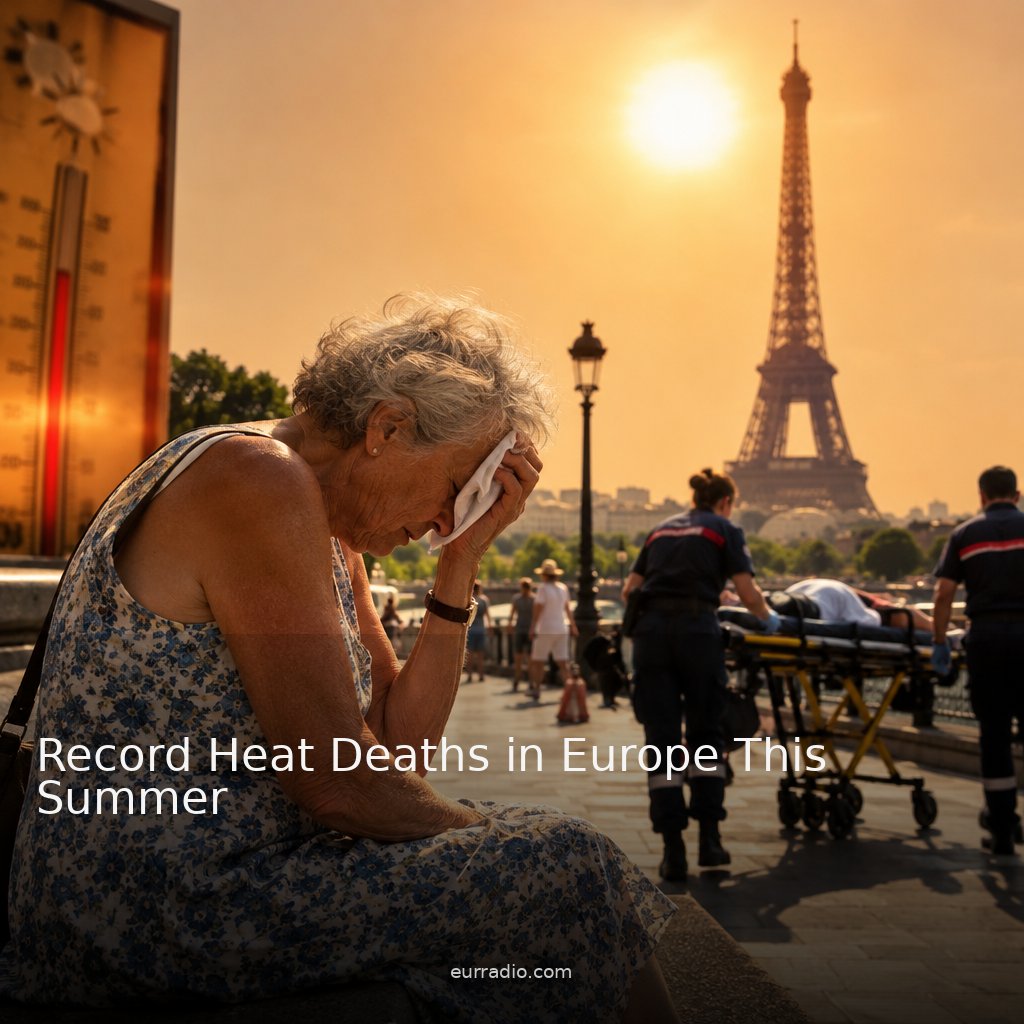
The number of heat-related deaths increased in 99.6 percent of the regions examined between 2015 and 2024 compared to 1991 to 2000, according to the “Lancet Countdown Europe Report 2026” on climate change and health.
Heat-related deaths are increasing worldwide. (symbol image)Image: keystone
The overall average annual increase was 52 deaths per million population; In parts of Spain, Italy, Greece and Bulgaria there are mostly more than 120. The study by an international group led by Joacim Rocklöv from Heidelberg University Hospital was published in the specialist magazine “The Lancet”.
“We see very clearly that climate change driven by the use of fossil fuels poses a growing threat to the health of an ever-increasing number of people in Europe,” said Rocklöv. The number of days with health warnings for extreme heat increased by a European average of 318 percent in the period 2015 to 2024 compared to 1991 to 2000. The increase is highest in Western Europe, namely 450 percent.
Pollen allergy sufferers suffer
In addition to heat, researchers identify other health risks associated with climate change. In the period 2015 to 2024, they found that the season started one to two weeks earlier for all allergenic tree species compared to 1991 to 2000 – so those affected are plagued by hay fever earlier. In addition, the risk of tropical infectious diseases is increasing because tropical mosquitoes are increasingly spreading corresponding viruses. The annual transmission risk for the dengue virus in Europe increased by 297 percent in the period 2015 to 2024 compared to 1980 to 2010. The carriers of malaria, West Nile fever and other diseases are also increasingly finding better conditions for their spread.
The researchers also found positive developments: For example, the share of renewable energies in the total European electricity supply increased to 21.5 percent in 2023, compared to 8.4 percent in 2016. Nevertheless, a lot of money continues to flow into fossil fuels such as coal, natural gas and oil. “Although Europe has committed in several international forums to gradually reduce fossil fuel subsidies by 2025, a sharp increase in subsidies was recorded in 2023/2024, triggered by the energy crisis following the Russian invasion of Ukraine,” write the study authors. According to them, the subsidies amounted to 444 billion euros in 2023 alone.
More deaths from burning biomass
And a development in renewable energies also gives researchers cause for concern: solid biomass accounted for 31 percent of total renewable energy consumption in 2023. Burning biomass such as wood pellets counts as renewable energy production because it only releases the carbon dioxide (CO2) that was absorbed during growth in our era. However, during combustion, toxic substances and fine dust are released into the atmosphere. Deaths attributed to residential biomass burning increased by four percent between 2000 and 2022, according to the report.
The researchers warn not to underestimate the health consequences of climate change. “More and more countries are planning adaptation measures in the health sector, but without long-term and reliable financing, these plans will disappear into the drawer while the effects continue to worsen,” said lead author Hedi Kriit from Heidelberg University Hospital. Rocklöv emphasized: “The decisions we make now will determine whether the health consequences worsen rapidly or whether we move towards a safer, fairer and more resilient Europe.” (sda/dpa)